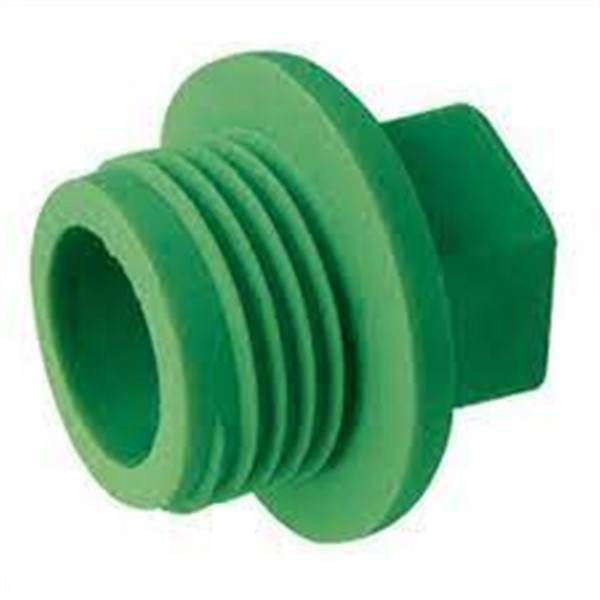
PPR End Plug

PPR End Plug
PPR plug male fittings can be used in both residential and commercial plumbing systems and are normally offered in a variety of sizes to meet various pipe diameters.
To ensure a safe and leak-free connection while installing PPR plug males, it's crucial to adhere to the manufacturer's recommendations and utilize the proper tools and methods
Sort By:
|
|
Item Code |
Product Detail |
Unit |
QTY |
Unit Price |
T. Price |
Add to Cart |
||
|---|---|---|---|---|---|---|---|---|---|
|
Pcs |
AED 0.81 |
AED 0.81 |
||||||
|
|||||||||
 Cash on delivery available  Returns allowed |
|||||||||

|
Pcs |
AED 0.39 |
AED 0.39 |
||||||
|
|||||||||
|
Cash on delivery available Returns allowed |
|||||||||
|
|
Pcs |
AED 0.39 |
AED 0.39 |
||||||
|
|||||||||
|
Cash on delivery available Returns allowed |
|||||||||
|
|
Pcs |
AED 0.46 |
AED 0.46 |
||||||
|
|||||||||
|
Cash on delivery available Returns allowed |
|||||||||

|
Pcs |
AED 0.55 |
AED 0.55 |
||||||
|
|||||||||
|
Cash on delivery available Returns allowed |
|||||||||
|
|
Pcs |
AED 0.64 |
AED 0.64 |
||||||
|
|||||||||
|
Cash on delivery available Returns allowed |
|||||||||
|
|
Pcs |
AED 0.72 |
AED 0.72 |
||||||
|
|||||||||
|
Cash on delivery available Returns allowed |
|||||||||

|
Pcs |
AED 0.86 |
AED 0.86 |
||||||
|
|||||||||
|
Cash on delivery available Returns allowed |
|||||||||