Motor Protection Circuit Breaker

Motor Protection Circuit Breaker
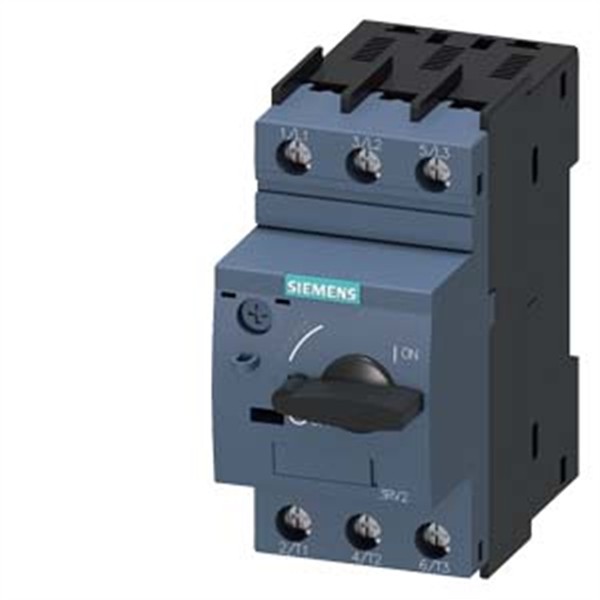
Think of an MPCB as the specialized "bodyguard" for an electric motor. While a standard breaker just watches the wires, an MPCB is tuned specifically to the "breathing" and "heartbeat" of a motor.
Here is the breakdown of why it’s essential: What it actually does
It’s basically a 2-in-1 device. It takes a standard circuit breaker and a thermal overload relay and packs them into one housing. Instead of having two separate components taking up space on your DIN rail, you just use this.
Why motors need it (The "Big Three")
-
Overload: If a pump gets jammed or a conveyor is too heavy, the motor starts pulling too much current. The MPCB senses that heat building up and trips before the motor windings melt.
-
Short Circuits: If a wire loose or a winding fails, the magnetic trip kicks in instantly (we're talking milliseconds) to stop a fire.
-
Phase Issues: This is the big one. If you lose one phase in a 3-phase system (Phase Failure), a motor will try to keep running but will overheat almost immediately. The MPCB detects that imbalance and shuts things down.
Why not just use a regular MCB?
-
The Dial: Every MPCB has a small adjustable dial on the front. You set this to the exact Full Load Amps (FLA) listed on your motor’s nameplate. A standard MCB is "fixed," so it’s never quite as precise.
-
Starting Current: Motors pull a massive surge of power the second they start up (inrush current). A standard breaker might trip falsely, but an MPCB is designed to "ignore" that initial spike while still protecting against a real fault.
-
Local Control: It doubles as a manual ON/OFF switch right at the machine.
Bottom Line
If you're running industrial pumps, fans, or any heavy machinery, an MPCB is your insurance policy. It’s the difference between a simple "reset" after a jam and a $5,000 bill to rewind a burnt-out motor.
Sort By:
|
|
Item Code |
Product Detail |
Unit |
QTY |
Unit Price |
T. Price |
Add to Cart |
||||||||||||||||||||||||||||||||||||||||||||||||||||||||||||||||||||||||||||||||||||||||||||||||||||||||||||||||||||||||||||||||||||||||||||||||||||||||||||||||||
|---|---|---|---|---|---|---|---|---|---|---|---|---|---|---|---|---|---|---|---|---|---|---|---|---|---|---|---|---|---|---|---|---|---|---|---|---|---|---|---|---|---|---|---|---|---|---|---|---|---|---|---|---|---|---|---|---|---|---|---|---|---|---|---|---|---|---|---|---|---|---|---|---|---|---|---|---|---|---|---|---|---|---|---|---|---|---|---|---|---|---|---|---|---|---|---|---|---|---|---|---|---|---|---|---|---|---|---|---|---|---|---|---|---|---|---|---|---|---|---|---|---|---|---|---|---|---|---|---|---|---|---|---|---|---|---|---|---|---|---|---|---|---|---|---|---|---|---|---|---|---|---|---|---|---|---|---|---|---|---|---|---|---|---|---|---|---|---|---|---|
|
Pcs |
AED 434.70 |
AED 434.70 |
||||||||||||||||||||||||||||||||||||||||||||||||||||||||||||||||||||||||||||||||||||||||||||||||||||||||||||||||||||||||||||||||||||||||||||||||||||||||||||||||||||||
|
|||||||||||||||||||||||||||||||||||||||||||||||||||||||||||||||||||||||||||||||||||||||||||||||||||||||||||||||||||||||||||||||||||||||||||||||||||||||||||||||||||||||||
 Cash on delivery available  Returns allowed |
|||||||||||||||||||||||||||||||||||||||||||||||||||||||||||||||||||||||||||||||||||||||||||||||||||||||||||||||||||||||||||||||||||||||||||||||||||||||||||||||||||||||||